
Easter Eggs in New Zealand: A Complete Guide for 2026

Easter eggs in New Zealand represent far more than simple chocolate treats. They embody cultural traditions, childhood memories, and the blending of diverse backgrounds that make up modern Kiwi society. For South African families living in New Zealand, the Easter season brings both familiar and new experiences, from hunting for recognisable brands to discovering local favourites. Understanding the landscape of easter eggs in new zealand helps expatriates and locals alike navigate seasonal shopping, price fluctuations, and the rich tapestry of chocolate culture that spans both hemispheres.
The New Zealand Easter Egg Market Landscape
The chocolate confectionery sector in New Zealand undergoes significant transformation each Easter season, with retailers dedicating substantial shelf space to seasonal products from February through April. Major supermarket chains stock both international and locally-produced options, creating a competitive marketplace that benefits consumers through variety and promotional pricing.
Local Manufacturing and Heritage
New Zealand's chocolate industry carries deep historical roots, particularly in Dunedin where Cadbury established a significant manufacturing presence. The Otago Daily Times has extensively documented this heritage, highlighting how local production shaped Easter traditions for generations of Kiwi families. While manufacturing has evolved over recent decades, the cultural impact remains strong in consumer preferences and brand loyalty.
Regional variations exist across New Zealand, with different areas showing preference for specific brands or chocolate styles. Auckland's diverse population creates demand for international varieties, whilst smaller centres may focus on traditional offerings from established brands.

Price Trends and Consumer Considerations
Understanding pricing dynamics helps families budget effectively for Easter celebrations. The Food Price Index tracked by Stats NZ provides authoritative data on chocolate price movements, revealing patterns that savvy shoppers can leverage.
Seasonal Pricing Patterns
| Time Period | Price Trend | Shopping Strategy |
|---|---|---|
| January-February | Premium pricing | Avoid early purchases |
| March (pre-Easter) | Promotional pricing | Best value period |
| Easter weekend | Standard pricing | Limited selection |
| Post-Easter | Clearance pricing | Stock up for next year |
Smart consumers recognise that easter eggs in new zealand follow predictable pricing cycles. Purchasing during March promotional periods typically yields 30-50% savings compared to February prices. RNZ regularly reports on consumer trends and price comparisons, providing valuable guidance for budget-conscious families.
The phenomenon of "shrinkflation" affects Easter products similarly to year-round confectionery. Packages may appear identical whilst containing reduced product weight, making price-per-gram comparisons essential for true value assessment.
South African Easter Traditions Meet Kiwi Culture
For South African expats, Easter brings nostalgia for familiar brands and childhood memories. The integration of South African food culture into New Zealand's multicultural landscape creates unique opportunities to blend traditions from both countries.
Familiar Flavours From Home
South African chocolate brands carry distinctive flavour profiles and manufacturing techniques that differ from New Zealand equivalents. Whilst specific Easter egg imports fluctuate based on availability and import regulations, South African families can access familiar treats year-round through specialised retailers.
Something From Home stocks over 2,500 South African products, providing expatriates with access to the tastes they remember. Whilst Easter-specific items may vary seasonally, the constant availability of South African chocolate brands and confectionery helps maintain cultural connections.
The desire for African food online extends beyond Easter, reflecting how South Africans maintain culinary heritage whilst embracing their new home. This dual identity enriches New Zealand's food landscape and creates market demand for diverse product ranges.
Food Safety and Regulatory Framework
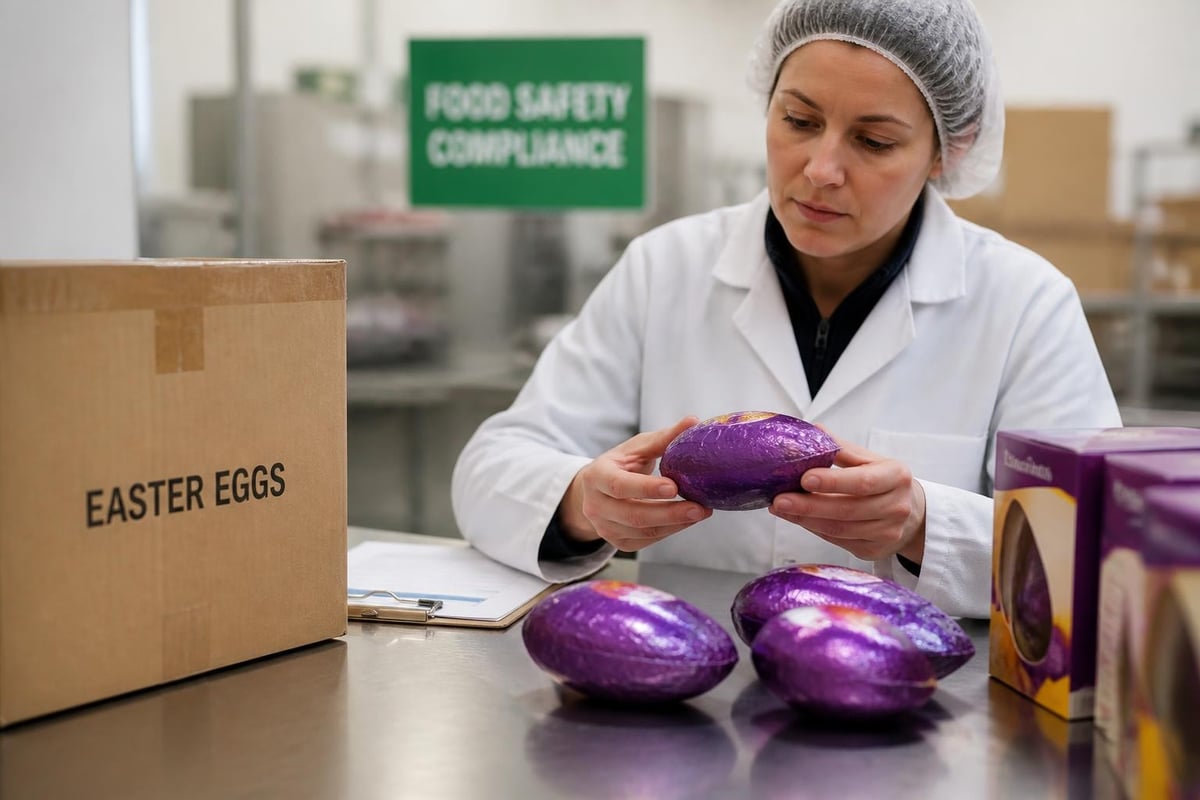
New Zealand maintains rigorous standards for imported and domestically-produced chocolate products. The Ministry for Primary Industries oversees food safety regulations, ensuring all Easter eggs meet specific requirements for labelling, allergen information, and manufacturing standards.
Import Considerations
- Allergen declarations must meet New Zealand standards
- Ingredient listings require English translation
- Best-before dates must comply with local formatting
- Manufacturing facility information may be required
- Nutritional panels follow prescribed formats
These regulations protect consumers whilst potentially affecting which international Easter eggs reach New Zealand shelves. South African products imported through established channels undergo proper compliance processes, ensuring safety and quality.
Community Events and Easter Celebrations
Easter eggs in new zealand feature prominently in community gatherings, from church events to commercial promotions. The Museum of New Zealand Te Papa Tongarewa occasionally incorporates Easter programming into family-friendly activities, demonstrating how cultural institutions engage with seasonal celebrations.
Public Easter Egg Hunts
Organised hunts occur across New Zealand's cities and towns, providing free or low-cost family entertainment. These events range from small community gatherings to large-scale commercial promotions. NZ Herald's events coverage provides comprehensive listings helping families locate suitable activities in their area.
Regional councils, shopping centres, and charitable organisations frequently sponsor egg hunts, creating opportunities for families to participate regardless of economic circumstances. Some events incorporate educational elements about wildlife conservation or cultural heritage alongside traditional chocolate-finding activities.
Marketing Innovation and Digital Engagement
The commercial landscape surrounding easter eggs in new zealand has evolved dramatically with digital technology. Brands employ sophisticated marketing strategies to capture consumer attention and drive seasonal purchases.
Cadbury's "Worldwide Hide" campaign demonstrated innovative marketing approaches, with a case study documented by Google Maps Platform showing how technology enables global participation whilst maintaining local relevance. Such campaigns create shared experiences across countries including New Zealand.
Digital Shopping Trends
The shift toward online grocery shopping accelerated significantly from 2020 onwards, permanently changing how Kiwis purchase Easter eggs. Convenience, price comparison capability, and home delivery options make digital platforms increasingly attractive for seasonal shopping.
| Shopping Method | Advantages | Considerations |
|---|---|---|
| In-store | Physical inspection, impulse selection | Limited time, parking challenges |
| Online supermarket | Price comparison, delivery convenience | Delivery fees, substitution risk |
| Specialty stores | Unique products, cultural authenticity | Potentially higher pricing |
South African families seeking familiar products benefit from specialised online retailers offering cultural authenticity that mainstream supermarkets cannot match. The ability to find South African stores through digital searches simplifies access to comfort foods and traditional favourites.
Storage and Consumption Guidelines
New Zealand's variable autumn climate requires consideration for chocolate storage. Temperature fluctuations can affect Easter egg quality, particularly during warmer-than-average years.
Optimal Storage Conditions
Temperature management proves critical for maintaining chocolate quality. Easter eggs should be stored between 15-18°C in low-humidity environments away from direct sunlight. New Zealand homes without consistent climate control may require creative solutions such as storing chocolate in cooler rooms or utilising wine fridges.
Blooming occurs when chocolate experiences temperature shock, creating white or grey surface discolouration. Whilst aesthetically unappealing, bloomed chocolate remains safe for consumption with minimal flavour impact.
Post-Easter clearance purchases intended for long-term storage require careful planning. Properly stored chocolate can maintain quality for 6-12 months, allowing families to enjoy discounted Easter eggs throughout the year.

Cultural Significance for Expatriate Communities
Easter eggs in new zealand carry layered meaning for immigrant communities, representing both religious observance and cultural continuity. South African families often blend traditions from their homeland with new customs adopted in New Zealand.
The communal aspect of Easter celebrations strengthens connections within expatriate networks. Sharing familiar foods and traditions helps maintain cultural identity whilst creating inclusive environments where Kiwi friends and neighbours can experience diverse celebration styles.
Building Cross-Cultural Understanding
Children of South African immigrants develop hybrid identities, experiencing Easter through dual cultural lenses. Access to familiar products alongside New Zealand traditions enriches their understanding of both heritages. This multicultural approach benefits all participants, broadening perspectives and creating inclusive communities.
Food serves as a powerful connector, with South African specialities like bunny chow or traditional condiments becoming conversation starters that educate and engage diverse audiences. Easter gatherings provide natural opportunities for cultural exchange through shared meals and traditions.
Retail Distribution Channels
Understanding where to purchase easter eggs in new zealand optimises shopping efficiency and product variety. Multiple retail channels serve different consumer needs and preferences.
Mainstream Supermarkets
The dominant players in New Zealand's grocery sector-Woolworths NZ (Countdown) and Foodstuffs (New World, PAK'nSAVE)-command significant market share for Easter egg sales. These retailers offer:
- Competitive pricing through scale economies
- Promotional campaigns with loyalty programme integration
- Wide selection of mainstream brands
- Convenient locations with extended trading hours
Specialty and Cultural Stores
Niche retailers serve specific communities and product categories. South African food stores in New Zealand provide access to imported brands and familiar favourites unavailable through mainstream channels. Something From Home operates as a comprehensive South African shop, maintaining extensive inventory that extends beyond seasonal items to year-round essentials.
The warehouse model employed by specialty importers allows competitive pricing on cultural products despite lower sales volumes compared to mainstream items. This approach makes maintaining connections to South African food culture financially viable for expatriate families.
Allergen Awareness and Dietary Considerations
Modern consumers increasingly prioritise allergen information and dietary restrictions when selecting Easter eggs. New Zealand retailers respond with expanding ranges that accommodate various needs.
Common Allergen Concerns
- Dairy-free options utilise plant-based alternatives for lactose-intolerant consumers
- Nut-free facilities ensure safety for severe allergy sufferers
- Gluten-free certification addresses coeliac disease requirements
- Vegan formulations eliminate all animal-derived ingredients
Label scrutiny becomes essential when purchasing Easter eggs for households with dietary restrictions. Cross-contamination warnings indicate manufacturing conditions that may affect allergen safety despite ingredients appearing suitable.
South African chocolate products follow similar allergen declaration standards, though terminology and formatting may differ slightly from New Zealand conventions. Understanding both systems helps expatriate families make informed purchasing decisions.
Environmental and Ethical Considerations
Contemporary consumers increasingly evaluate Easter eggs through sustainability and ethical production lenses. These considerations influence purchasing decisions across demographic groups.
Packaging Sustainability
Easter egg packaging traditionally emphasises visual appeal through elaborate boxes and plastic components. Growing environmental awareness drives consumer preference toward minimal packaging and recyclable materials. New Zealand's recycling infrastructure handles specific materials, making package composition relevant to waste-conscious shoppers.
| Packaging Type | Recyclability | Environmental Impact |
|---|---|---|
| Cardboard boxes | High (widely accepted) | Lower impact |
| Plastic shells | Variable (number-dependent) | Higher impact |
| Foil wrapping | Low (specialised recycling) | Moderate impact |
| Mixed materials | Poor (requires separation) | Highest impact |
Ethical sourcing concerns encompass fair-trade certification, sustainable cocoa farming, and manufacturing labour practices. Mainstream brands increasingly highlight ethical credentials, responding to consumer demand for responsible production.
Historical Evolution of Easter Eggs
Understanding how easter eggs in new zealand evolved provides context for current market dynamics. The tradition transformed significantly over the twentieth century, reflecting broader social and economic changes.
Early Easter celebrations in New Zealand featured simple confections, with elaborate chocolate eggs remaining luxury items accessible primarily to affluent families. Post-war prosperity expanded access, whilst manufacturing improvements reduced costs and increased variety.
The transition from predominantly British imports to local manufacturing occurred gradually, with Dunedin's Cadbury factory playing a pivotal role. Recent decades witnessed renewed import diversity as globalisation and multicultural immigration patterns introduced products from various countries including South Africa.
DIY and Homemade Alternatives
Some families choose homemade Easter eggs, combining creative expression with cost management. DIY approaches range from simple chocolate moulding to elaborate decorated creations.
Homemade Easter Egg Benefits
Cost effectiveness makes homemade options attractive for large families or community events. Bulk chocolate purchases combined with reusable moulds reduce per-egg costs significantly compared to commercial products.
Customisation opportunities allow accommodation of dietary restrictions, flavour preferences, and creative designs impossible with mass-produced alternatives. Children particularly enjoy participating in creation processes, adding educational and bonding value beyond the finished product.
Quality control ensures ingredient selection meets family standards for ethical sourcing, organic certification, or specific dietary requirements. This advantage particularly benefits households managing severe allergies or following strict dietary protocols.
South African expatriates sometimes recreate familiar chocolate formulations using imported ingredients combined with local chocolate. This hybrid approach maintains cultural connections whilst embracing DIY creativity.
Commercial Gifting and Corporate Markets
Easter eggs in new zealand serve corporate purposes beyond family consumption. Businesses utilise seasonal chocolate for client gifts, employee recognition, and promotional purposes.
The corporate gifting market demands different product characteristics than household purchases:
- Premium positioning through luxury brands and elegant packaging
- Customisation options including corporate branding and personalised messages
- Bulk ordering capability with reliable delivery scheduling
- Professional presentation suitable for business contexts
South African businesses operating in New Zealand sometimes incorporate familiar brands into corporate gifting strategies, particularly when serving expatriate communities or celebrating cultural diversity within organisations.
Cross-Border Shopping and Import Logistics
Some South African families consider importing Easter eggs directly from home, though practical and regulatory challenges typically make this approach non-viable for individual consumers.
Import regulations require compliance with biosecurity and food safety standards. Commercial importers navigate these requirements professionally, but individual imports face scrutiny and potential rejection at border control.
Shipping costs and timing render direct imports economically unattractive compared to purchasing through established New Zealand retailers. Temperature-controlled shipping necessary for chocolate preservation adds substantial expense.
Established importers like Something From Home provide more practical access to South African products through compliant import processes and consolidated shipping that achieves economy of scale. Their extensive range ensures cultural preferences receive attention without individuals navigating complex import requirements.
Easter eggs in new zealand reflect the country's multicultural character and evolving consumer preferences, offering families diverse options that honour various traditions and dietary needs. South African expatriates navigating the seasonal chocolate landscape find both familiar and new experiences, enriching their cultural connections whilst embracing Kiwi traditions. Whether seeking traditional South African favourites or exploring local specialties, Something From Home provides comprehensive access to the tastes that matter most, maintaining cultural continuity through their extensive range of authentic products.