Marie Biscuit: A Global Icon in South African Kitchens
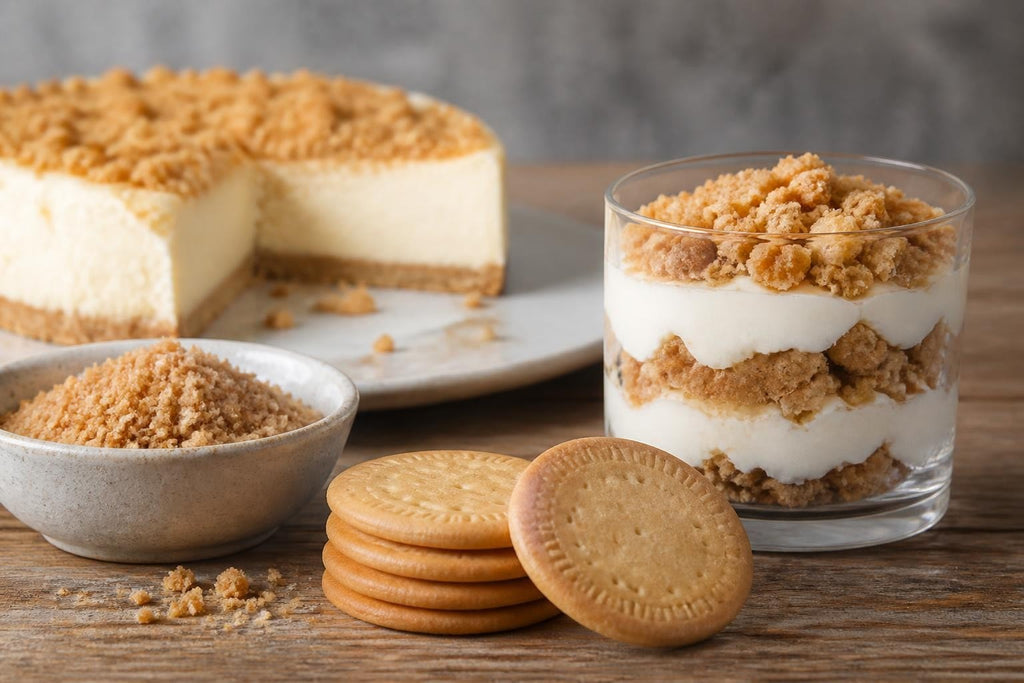
The humble marie biscuit occupies a treasured place in households across South Africa, transcending its simple ingredients to become a kitchen essential that appears in everything from teatime rituals to elaborate desserts. Originally created by British biscuit manufacturer Peek Freans in 1874, the marie biscuit gained its name reportedly in honour of Grand Duchess Maria Alexandrovna of Russia, though this origin story remains debated among food historians. What is certain, however, is that this plain, slightly sweet biscuit made its way into South African food culture during the colonial period and never left. For South Africans living in New Zealand, the marie biscuit represents far more than a simple snack; it embodies childhood memories, family recipes, and the comfort of familiar flavours from home.
The Heritage and Composition of Marie Biscuits
Marie biscuits belong to the category of sweet biscuits characterised by their distinctive rectangular shape with rounded edges, light golden colour, and decorative perforations that prevent warping during baking. The standard formulation includes wheat flour, sugar, vegetable oil or fat, and a leavening agent, creating a crisp texture that softens beautifully when dunked in tea or coffee.
According to USDA nutritional data, a typical marie biscuit contains approximately 30-35 calories per piece, with the following macronutrient profile:
| Nutrient | Per 100g | % Daily Value |
|---|---|---|
| Energy | 457 kcal | 23% |
| Carbohydrates | 76.8 g | 26% |
| Protein | 7.4 g | 15% |
| Total Fat | 11.9 g | 15% |
| Sodium | 394 mg | 17% |
| Dietary Fibre | 2.1 g | 8% |
The marie biscuit's neutral sweetness makes it exceptionally versatile. Unlike heavily flavoured biscuits, its mild taste profile allows it to complement both sweet and savoury applications without overwhelming other ingredients.
Manufacturing Standards and Quality Considerations
Modern marie biscuit production involves precise control of dough consistency, baking temperature, and moisture content. Industry insights reveal that achieving the characteristic snap and texture requires careful attention to flour protein content, fat distribution, and lamination techniques during processing.
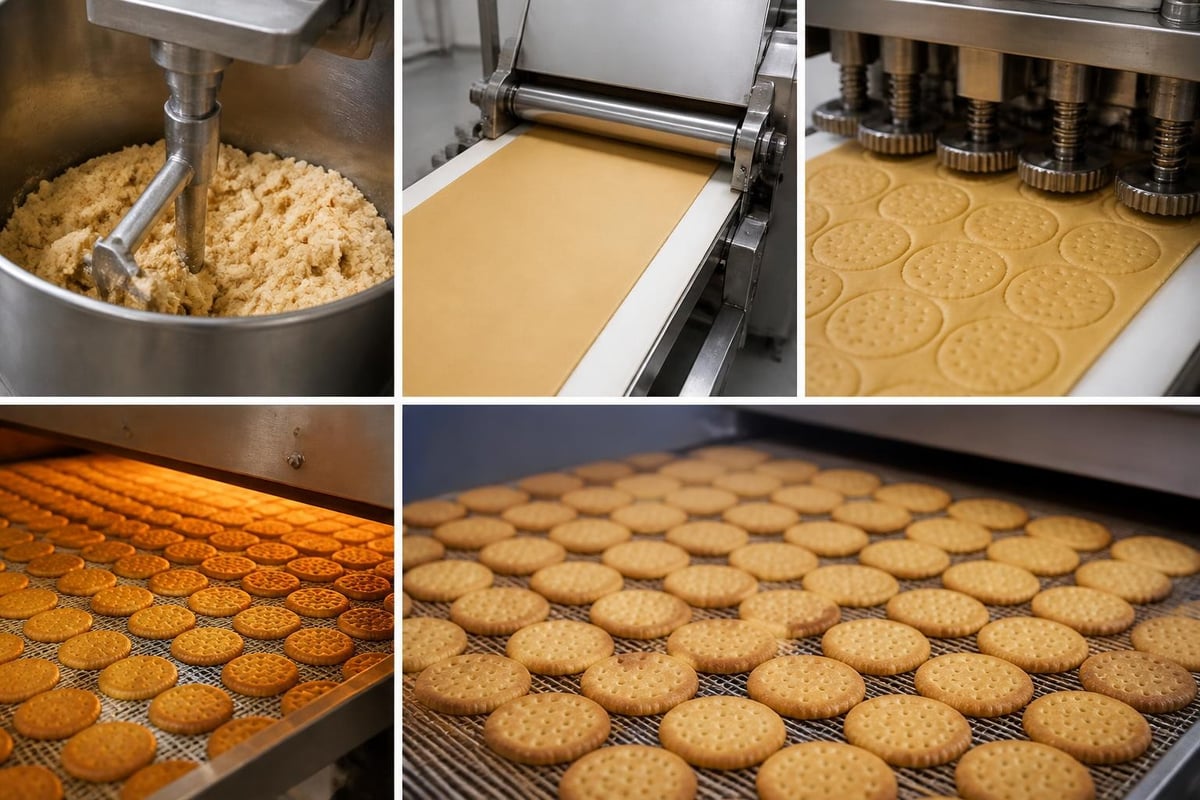
Food safety remains paramount in biscuit manufacturing. Research on contaminants in biscuits highlights concerns around acrylamide formation during high-temperature baking, trans-fat content from partially hydrogenated oils, and potential mycotoxin contamination in raw materials. Reputable manufacturers implement stringent quality control measures to mitigate these risks, including:
- Sourcing certified raw materials with verified mycotoxin testing
- Reformulating recipes to eliminate or reduce trans-fats
- Controlling baking temperatures to minimise acrylamide formation
- Regular third-party testing and compliance with international standards
The European Commission's regulatory framework on trans-fat levels in foods has influenced global manufacturers to reformulate products, ensuring that modern marie biscuits typically contain negligible amounts of industrial trans-fats.
Marie Biscuits in South African Food Culture
Within South African cuisine, the marie biscuit functions as a foundational ingredient rather than merely a standalone snack. Its presence in recipe collections passed down through generations demonstrates its cultural significance.
Traditional and Contemporary Applications
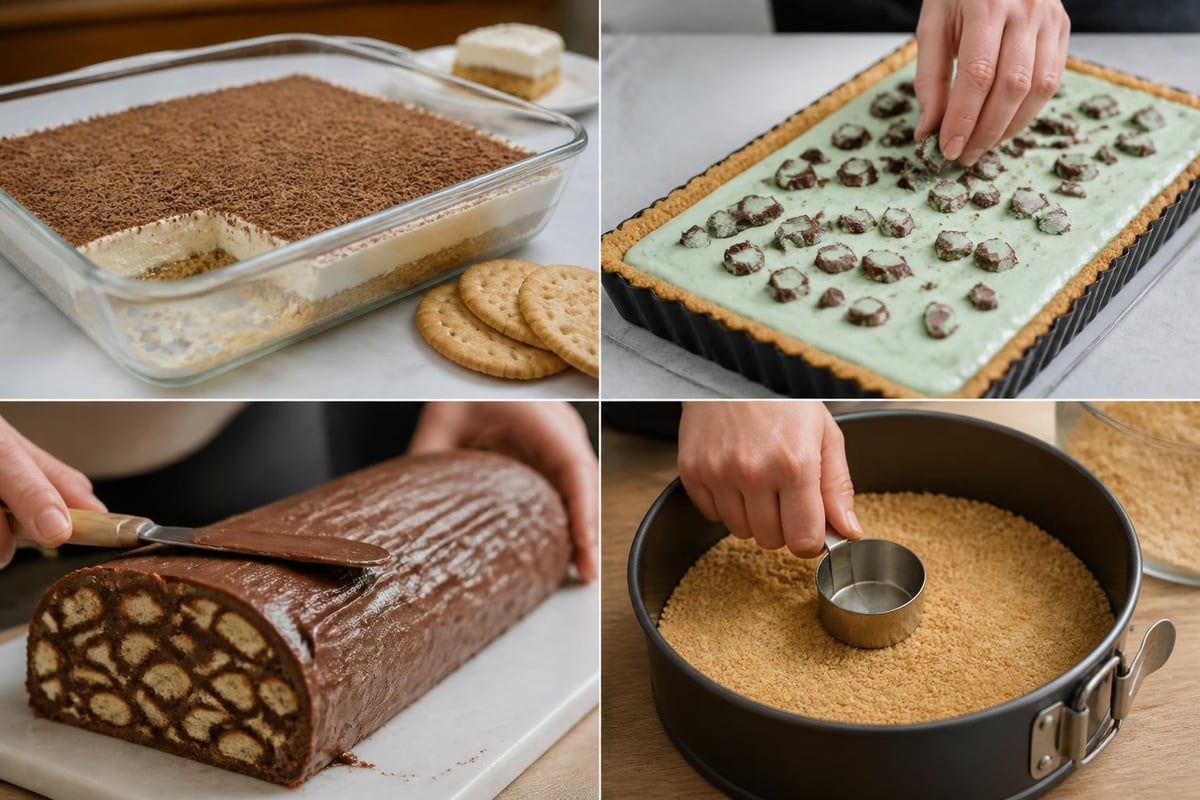
Classic Dessert Bases:
- Refrigerator tarts and cheesecake crusts
- Peppermint crisp tart layers
- Chocolate fridge cake foundations
- Malva pudding accompaniments
Breakfast and Teatime Uses:
- Dunking biscuits for rooibos or Five Roses tea
- Rusks alternative for morning coffee
- Children's lunchbox staples
- Hospital and care facility dietary components
The clinical study on swallowing efficiency using marie biscuits demonstrates their practical application beyond casual consumption. Researchers selected marie biscuits specifically for standardised oral processing tests because of their consistent texture, controlled dissolution rate, and predictable chewing requirements. This scientific validation underscores what generations of South Africans already knew: marie biscuits possess unique textural properties that make them suitable for diverse populations, from young children to elderly individuals with modified dietary needs.
Regional Brand Preferences
South Africa's biscuit market features several established brands producing marie variants, each with subtle differences in sweetness, thickness, and snap. Brand loyalty often reflects regional availability, family tradition, and personal taste preferences developed during childhood.
For expatriates searching for South African groceries, accessing preferred brands becomes essential to recreating authentic recipes. The specific texture and sweetness level of a familiar marie biscuit brand can determine whether a refrigerator tart tastes exactly like Mom's version or falls slightly short.
Nutritional Considerations and Dietary Context
While marie biscuits provide quick energy and moderate satisfaction, nutritional professionals classify them as discretionary foods requiring portion control within balanced diets. WHO guidance on infant and young child feeding specifically addresses commercial snack foods, including biscuits, noting that while not prohibited, they should not displace nutrient-dense foods in children's diets.
Nutritional Advantages:
- Shelf-stable and convenient
- Moderate caloric density compared to cream biscuits
- Source of quick-release carbohydrates for energy
- Lower fat content than many alternative snacks
Nutritional Limitations:
- Limited micronutrient content
- Refined flour base with minimal fibre
- Added sugars contribute to daily intake
- Sodium levels require consideration in restricted diets
Recent food science research explores reformulating cereal-based biscuits with alternative grains such as sorghum, improving nutritional profiles while maintaining consumer acceptability. Such innovations may eventually produce marie-style biscuits with enhanced fibre, protein, and micronutrient content.
The Expatriate Experience: Finding Marie Biscuits in New Zealand
Relocating from South Africa to New Zealand involves numerous culinary adjustments. While New Zealand offers excellent local products, specific South African items carry emotional significance that transcends mere nutrition or taste. The marie biscuit exemplifies this phenomenon.
Why Familiar Brands Matter
Emotional and Cultural Connections: The specific texture, sweetness, and even packaging of a particular marie biscuit brand trigger powerful sensory memories. For children raised in South African households, these biscuits represent after-school snacks, Sunday desserts, and family gatherings. Adults associate them with comfort, tradition, and cultural identity.
Recipe Authenticity: Traditional South African dessert recipes assume specific ingredient characteristics. Substituting a New Zealand equivalent biscuit may alter texture, absorption rates, or flavour balance. Dedicated home bakers understand that authentic results require authentic ingredients.
Accessing South African Products in New Zealand
The digital age has transformed expatriate shopping experiences. Where previous generations relied on infrequent care packages or traveller suitcase space, today's South Africans in New Zealand can purchase African food online with remarkable convenience.
Something From Home operates as a dedicated South African food store in New Zealand, stocking more than 2,500 South African products including favourite marie biscuit brands. This extensive range ensures that expatriates can recreate childhood recipes, maintain cultural food traditions, and share their heritage with New Zealand-born family members.
Finding a reliable South African shop eliminates the compromise of substituting ingredients. Whether preparing a peppermint crisp tart for a special occasion or simply wanting familiar tea biscuits, access to authentic products makes New Zealand feel more like home.
Recipe Innovation and Contemporary Uses
Modern South African cooks continue reimagining marie biscuit applications, blending traditional techniques with contemporary dietary preferences and flavour trends.
Popular Recipe Adaptations
| Traditional Recipe | Contemporary Variation | Key Modification |
|---|---|---|
| Classic Peppermint Crisp Tart | Vegan Peppermint Tart | Coconut cream substitute |
| Tennis Biscuit Fridge Cake | Salted Caramel Fridge Cake | Caramel layer addition |
| Simple Cheesecake Base | Biscoff Hybrid Base | Mixed biscuit combination |
| Chocolate Ripple Log | Espresso Ripple Log | Coffee-infused cream |
Research on biscuit formulation from food science institutions demonstrates how slight modifications to ingredient ratios, mixing methods, or baking parameters significantly affect final product characteristics. Home bakers intuitively understand these principles when crushing marie biscuits to different textures for various applications or adjusting butter ratios in tart bases.
Marie Biscuits in Modern South African Households
Contemporary dietary trends influence how families incorporate marie biscuits into meal planning:
Portion-Controlled Snacking: Pre-packaging individual servings supports mindful eating practices while maintaining convenience.
Activity-Based Consumption: Sports families use marie biscuits for quick pre-exercise carbohydrates or post-training snacks paired with protein.
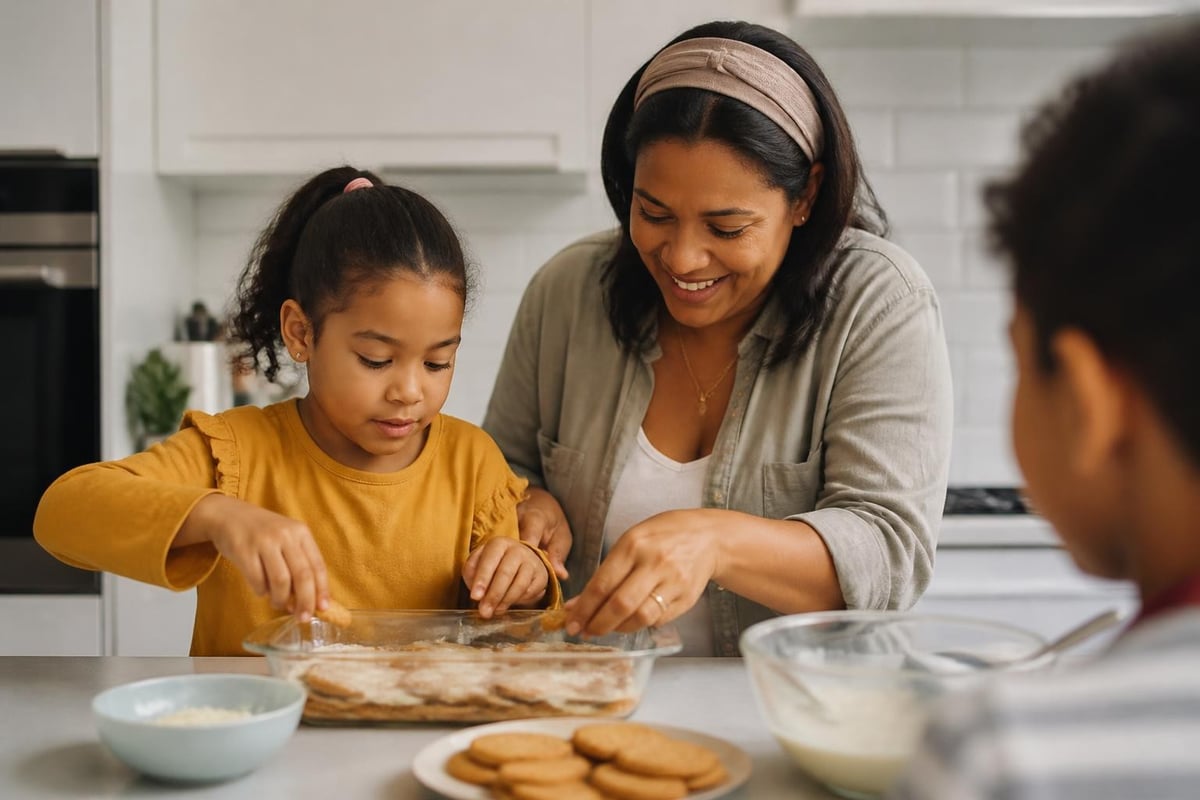
Cultural Education: Parents teaching children about South African heritage often use food as an accessible entry point. Preparing traditional desserts with marie biscuits creates tangible connections to cultural identity.
Entertaining and Hospitality: Serving classic South African desserts at gatherings introduces New Zealand friends and colleagues to distinctive flavour combinations and food traditions.
Storage, Shelf Life, and Quality Maintenance
Proper storage extends marie biscuit freshness and maintains optimal texture. These guidelines ensure maximum enjoyment:
Optimal Storage Conditions:
- Airtight containers prevent moisture absorption
- Cool, dry locations away from direct sunlight
- Separation from strong-smelling foods
- Original packaging provides adequate protection when unopened
Shelf Life Indicators:
- Check best-before dates on packaging
- Discard if biscuits develop off-odours
- Avoid consumption if mould appears
- Soft or stale texture indicates moisture exposure
Usage Timing: Fresh marie biscuits offer superior snap and flavour. Once opened, consume within 2-3 weeks for best quality. For dessert bases requiring crushing, slightly aged biscuits work perfectly well since texture transformation occurs during preparation.
The Marie Biscuit Market: Global and Local Perspectives
The international biscuit market demonstrates remarkable diversity, yet certain products achieve near-universal recognition. The marie biscuit ranks among these global standards, manufactured across dozens of countries with subtle regional variations.
Market Characteristics
Global Production: Major biscuit manufacturers produce marie variants worldwide, from Asia to Europe to Africa. Each market adapts sweetness levels, thickness, and packaging formats to local preferences while maintaining core product characteristics.
South African Market Dynamics: Domestic manufacturers and international brands compete in South Africa's mature biscuit market. Consumer loyalty, competitive pricing, and wide distribution networks characterise the segment.
Export and Expatriate Markets: Specialised retailers serving expatriate communities represent a growing niche. These businesses source authentic products from origin countries, managing logistics, import compliance, and quality assurance to deliver familiar brands to displaced populations.
Something From Home exemplifies this model, curating comprehensive South African product ranges for New Zealand's South African community. Their warehouse approach ensures consistent availability, competitive pricing, and the convenience of consolidated shopping.
Quality Assurance in International Supply Chains
Maintaining product quality across international supply chains requires systematic attention to:
- Temperature-controlled shipping for heat-sensitive products
- Packaging integrity throughout transit
- Stock rotation ensuring fresh inventory
- Compliance with New Zealand import regulations
- Transparent sourcing and traceability
Reputable South African food stores prioritise these factors, ensuring customers receive products matching the quality standards they remember from home.
Cultural Preservation Through Food
Food functions as a powerful vehicle for cultural transmission and identity maintenance. For diaspora communities, accessing traditional ingredients supports cultural continuity across generations and geographical distances.
The Role of Familiar Products
Identity Reinforcement: Consuming culturally significant foods reinforces personal and community identity. The act of preparing a traditional dessert using authentic ingredients creates tangible connections to heritage.
Intergenerational Knowledge Transfer: Teaching children traditional recipes using proper ingredients ensures cultural knowledge passes to new generations. Marie biscuits in classic South African desserts become teaching tools for broader cultural lessons.
Community Building: Sharing food traditions creates bonds within expatriate communities and introduces host-country residents to diverse culinary heritage.
Comfort and Wellbeing: Familiar foods provide psychological comfort during transitions, stressful periods, or homesickness. The simple pleasure of a proper cup of rooibos tea with familiar biscuits offers meaningful solace.
For South Africans in New Zealand, maintaining access to products like marie biscuits supports mental health, cultural identity, and quality of life. These benefits extend beyond mere nostalgia to fundamental aspects of wellbeing and belonging.
Making Informed Purchasing Decisions
When selecting marie biscuits and other South African groceries in New Zealand, several factors warrant consideration:
Product Authenticity: Verify that products match preferred South African brands rather than international approximations. Packaging, ingredient lists, and country of manufacture provide confirmation.
Pricing and Value: Compare per-unit costs across suppliers while considering shipping, minimum order requirements, and delivery timeframes. Bulk purchasing often provides better value for stable, long-shelf-life products.
Retailer Reliability: Choose established suppliers with proven track records, transparent business practices, and responsive customer service. Review policies on damaged goods, returns, and quality guarantees.
Product Range: Suppliers offering comprehensive South African product catalogues enable consolidated shopping, reducing shipping costs and coordination effort. Access to 2,500+ products means finding multiple needed items in a single transaction.
Freshness and Rotation: Inquire about stock turnover rates and sourcing frequency. Retailers with strong sales volumes typically maintain fresher inventory through rapid rotation.
The enduring appeal of the marie biscuit in South African culture demonstrates how simple foods carry profound cultural significance, bridging generations and geographies through shared tastes and traditions. For South Africans living in New Zealand, accessing authentic products maintains vital connections to heritage while enabling the cultural education of children and sharing of traditions with new communities. Whether you're recreating Ouma's famous peppermint crisp tart or simply enjoying a familiar teatime biscuit, Something From Home provides the authentic South African groceries that transform a house in New Zealand into a home filled with the comforting flavours of South Africa.